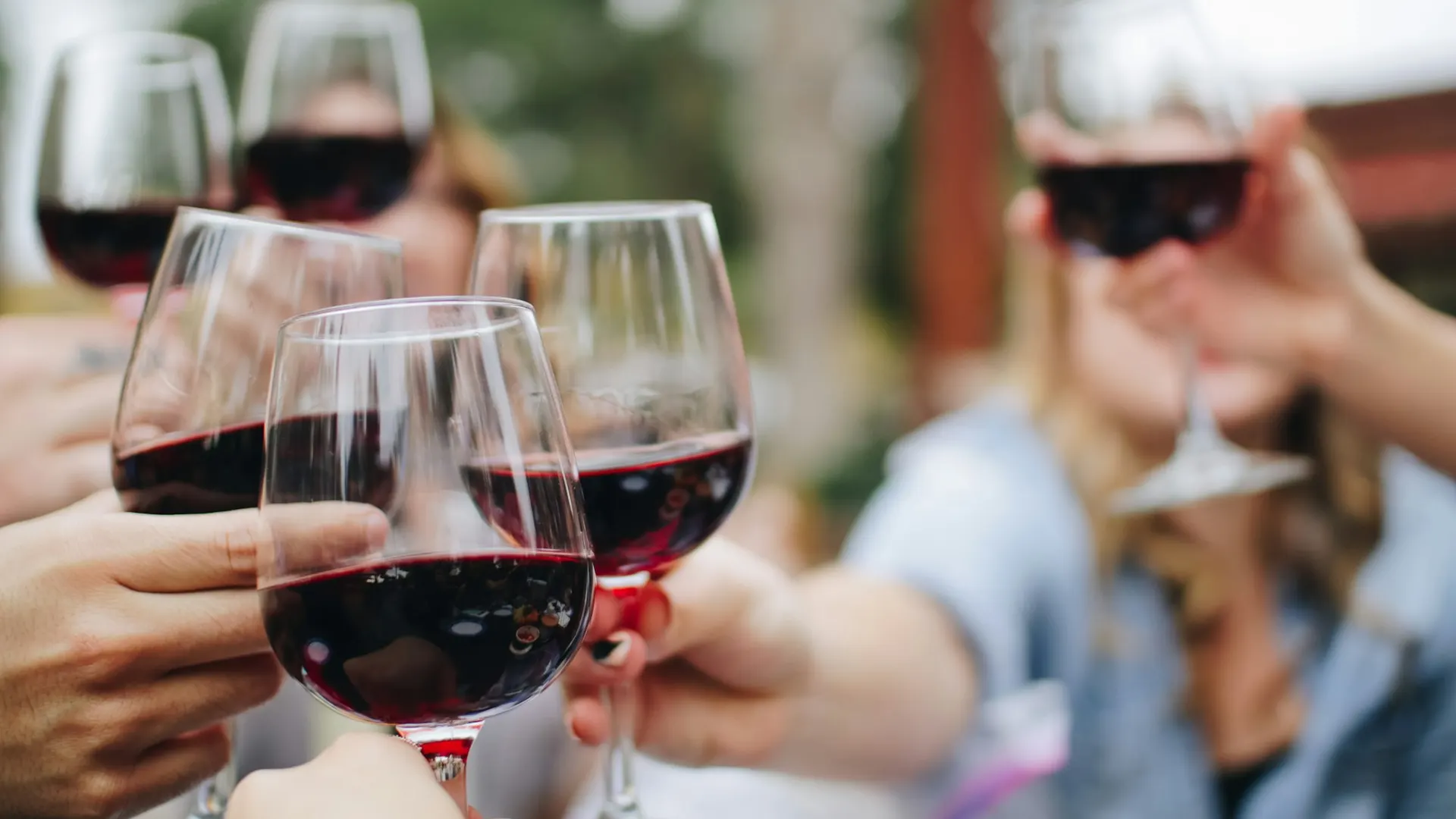
A Yarra Valley winery reception is appealing because the setting is already a story. Guests understand vines. They understand a glass of pinot or sparkling as part of the region, even if they drink neither. The risk is treating the property like a park with a bar. It is a business with a cellar door, a production calendar, neighbours, and a liquor licence that was not written for your aisle.
This page stays general on purpose. It will not claim that a named estate currently hosts weddings. Use the questions below on whatever property you are actually considering.
The difference between a pretty vineyard and a workable wedding
Look past the first row of vines. Ask where people stand when the wind comes up the slope. Ask where the sun sits at the ceremony hour in your month — valley light is low and directional, which is why photographers love it and why unshaded guests squint. Ask what the ground is: mown grass, gravel, irrigation covers, ant nests, a discreet cable run.
Then ask the un-pretty questions. Where do delivery vans go? Where do 20 cars overflow? What happens when a cellar-door visitor arrives during your vows because Saturday tastings were not paused? Exclusive use is a sentence you want in writing, with hours attached.
Hospitality realities
Kitchen. Some properties run a full kitchen. Some reheat. Some require an external caterer who already knows the space. The catering guide is the pairing document. On a winery, also ask about power, refrigeration and whether a dinner service can hold if speeches run long.
Wine and other drink. A wine property may expect you to drink from its list, or to pay corkage, or to mix estate wines with a small outside selection. None of those models is universal. Ask. If you care about a particular sparkling for the toast, say so early. If you have guests who do not drink, ask what non-alcoholic service looks like — a wine region can forget to plan that generously.
Service times. Last drinks, music curfews and neighbour agreements matter more here than in a sealed city loft. Harvest periods and event calendars can also change staff availability. You do not need a invented statistic to take that seriously; you need a date-specific answer.
Cellar-door hours. A wedding that begins while tastings are still running can be charming or chaotic. Clarify whether the public spaces close, whether there is a separate entrance, and whether staff will still be moving cases through a corridor you thought was yours.
Weather is part of the plan
Vines look open because they are. Shade can be scarce at noon in January. Frost and mud are real in July. A spring front can drop the temperature between the ceremony and the entrée. Heaters, fans, shade sails and a room with doors that actually close are planning items, not decorations.
If the backup room is a cellar or barrel space, visit it with the same attention you gave the lawn. Check air, light, capacity and whether it smells like a romantic cellar or like a working one. Both are honest; only one may suit your guests.
Photographers and florists on a wine property
Vine rows are graphic. They also repeat. A photographer who has never worked rural light may fill a card with the same alley. Ask how they would use the tank hall, the verandah, the golden last 20 minutes, and a cloudy backup. See photography.
Florists should know that vineyard wind moves tall arrangements and that heat moves faster than a city loading dock. Seasonal local foliage often looks more at home than a tropical installation fighting the landscape. See flowers.
Guests who are not marrying the scenery
Not everyone in your list chose the Yarra Valley. Some will worry about driving after wine. Some will worry about heels in grass. Some will want a quiet room at 9pm. Put arrival instructions, parking, dress code for ground conditions, and overnight suggestions in the same guest note. Link them to transport and accommodation thinking, even if you never use those words on the invitation.
A winery wedding is at its best when the property’s working character is respected. You are borrowing a landscape that has a job the rest of the year. Plan as a guest of that job, and the reception usually feels more expensive than it photographs — in the good sense of care, not in the sense of a price this guide will not invent.
A sample conversation that saves a later argument
Write one email that forces concrete nouns. Something like this, adapted to the property you are actually considering:
We are looking at a ceremony on the lawn and a meal in the indoor room for a guest range of ___. Can you confirm exclusive use from ___ to ___, whether cellar-door trade continues, where the ceremony moves if it rains after guests sit, who provides tables and lighting, whether catering is in-house or open, and the last-drinks and music times for that date? We will not announce the booking until those points are in writing.
If the reply comes back as a brochure PDF with a sunset cover and no times, you do not yet have a venue. You have a marketing asset. Ask again. A working wine property that hosts weddings regularly can answer in a page or less.
What “winery wedding” does not automatically include
It does not automatically include overnight rooms, a full bar of spirits, a dance floor, a celebrant’s table, or permission to send drones along the rows. It does not automatically include the right to bring a trailer of décor the day before. It does not automatically include a child-friendly hour. Each of those is a separate sentence. Put the ones you care about in the first exchange, not in a panic the week before.
If you want rooms, read accommodation as part of the same decision. If you want a late band, read the noise rule twice. If you want a lawn ceremony in January, read shade and UV as comfort, not as styling.
The valley will still look like the valley. Your job is to make sure the reception still works when the valley looks like weather.