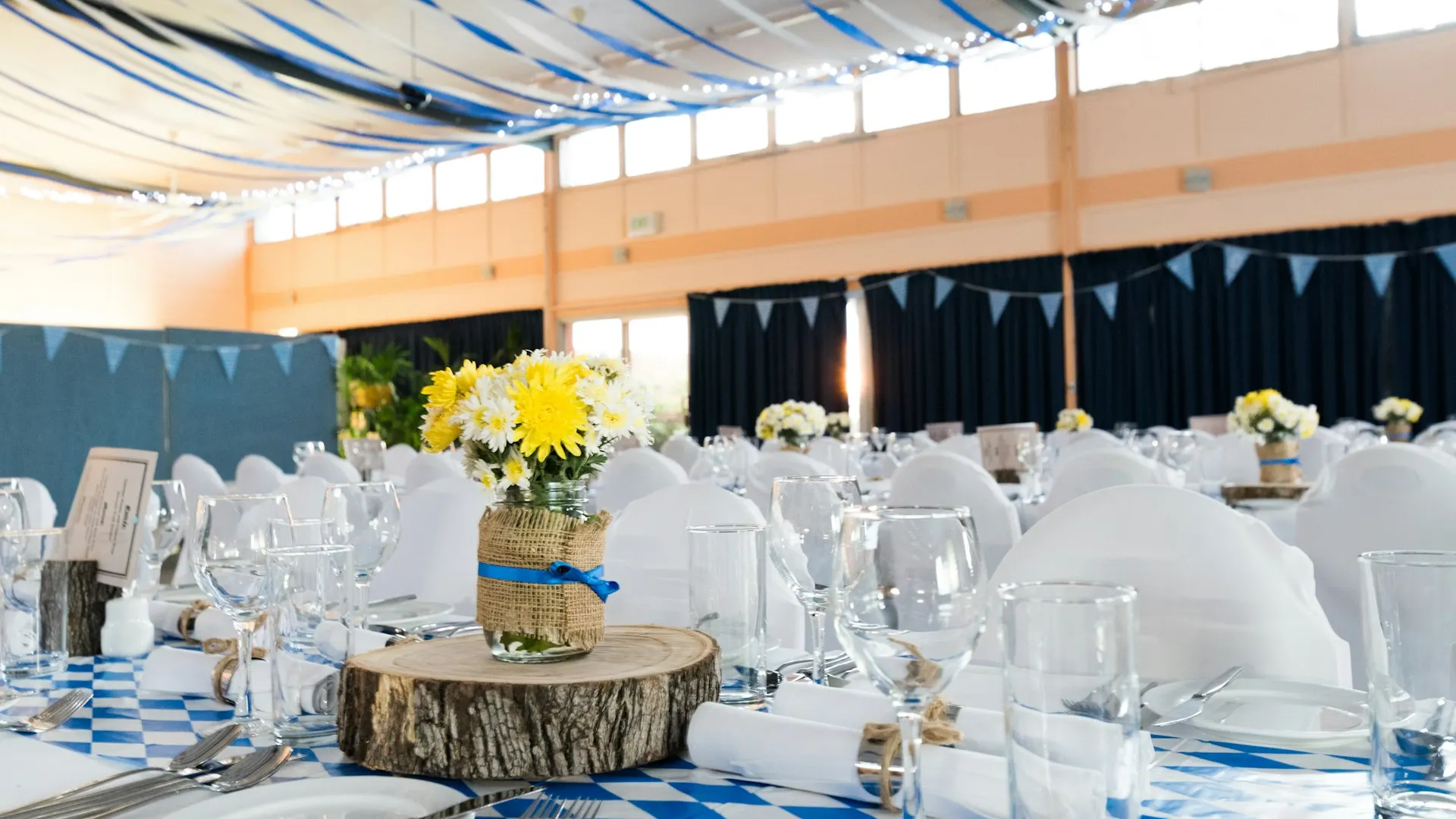
A Yarra Valley wedding venue is not a single product. It is a family of settings that happen to share a wine region: vineyard lawns, homestead verandahs, garden rooms, converted barns, club dining rooms, and the occasional purpose-built pavilion. Choosing well is less about collecting galleries and more about matching a type of place to a type of day.
This page will not name operators or claim that a particular property still hosts weddings. Confirm any property yourself.
Start with four filters, not twenty tabs
Guest scale. A 40-person lunch and a 140-person reception need different rooms, different kitchens and different parking. Write the number as a range, including children and suppliers who will eat. If the range is wide, you do not have a plan yet.
One site or two. Valley roads are pretty and slower than a map implies, especially at dusk and in rain. A split day can work when the second location is close, guests have been told, and someone owns the transfer. It fails when the ceremony photographs run long and the reception kitchen is already plating.
Cover. “A few umbrellas” is not a wet-weather plan. You want a room that holds the same guest number with dignity — sightlines for a ceremony, space for a meal, and a floor that does not punish heels. Ask to stand in that room, not only to see it on a floorplan.
Access. Can a coach turn around? Is parking on grass that becomes mud in August? How do guests who do not drive leave at 11pm? Rural romance and urban exit habits do not automatically agree. The transport and accommodation guides exist because the venue conversation is incomplete without them.
Setting types, without a league table
Winery and vineyard properties give you rows, light and a story guests already understand. They also come with vintage calendars, cellar-door traffic and licensed service rules. Read winery receptions before you treat every vineyard as a blank canvas.
Garden estates and homesteads often photograph as if the valley invented softness. Ask about irrigation, bees, sloping lawns, generator noise and whether the “house” is actually available to guests or only to photographs.
Barns and rural sheds can be warm in photographs and cold in July. Ask about insulation, lighting power, toilets, and whether the space is already styled or a shell that needs hire.
Clubs and larger dining rooms can be practical for bigger lists and for guests who want a single sealed building. The questions shift toward room-divide options, audiovisual, and whether the space feels like a wedding or a function that happens to have flowers.
None of these types is better. Each one fails in a different way when the plan is vague.
Questions that belong in writing
When you write to a property, ask for answers you can compare side by side:
- Is the quoted use exclusive, or will another group be on the grounds?
- What is included in the room or grounds hire, and what is explicitly excluded — chairs, tables, linen, lighting, ceremony arch, heaters?
- Is catering in-house, preferred-supplier, or genuinely open? If open, what are the kitchen facilities and access hours?
- What are the noise and finish times, and is there a neighbouring residence or cellar-door constraint?
- Where does a ceremony move if the weather turns after guests are seated?
- What is the power situation for a band or playlist, and who is the contact on the day?
- Can suppliers access the site the evening before?
- What are the rules for candles, sparklers, drones and confetti?
- How is accessibility handled between car park, ceremony and reception?
If a reply is only a brochure, ask again. A venue that hosts weddings regularly can describe a rainy Saturday in concrete nouns.
Visit like a guest, not like a stylist
Go at the hour you expect to say vows. Look at where the sun actually sits, where the wind comes from, and how long it takes to walk from parking to the lawn in the shoes you will not be wearing on the recce. Stand at the back row. Sit at a table in the corner. Find the toilets. Ask where suppliers load in.
Take someone who is not in love with the idea of the valley. Their boredom is useful. They will notice the portable toilet plan, the slope, and the fact that the “five minutes from Healesville” claim is true only if you already know the lanes.
Ceremony-only sites and reception-only sites
Some couples marry in a garden or on a public lookout and receive elsewhere. Public land has its own permit culture; this guide does not issue permits and does not invent the rules for a particular reserve. If you are considering a public ceremony, ask the relevant land manager and your celebrant before you print invitations. A reception kitchen cannot rescue a ceremony that was never allowed.
If the ceremony is elsewhere and the reception is in the valley, give the photographer and the celebrant the true drive time. Build a buffer that assumes a wrong turn, a slow family and a shower of rain.
What “available” means
A date on a website is a marketing sentence until someone confirms the room, the kitchen and the licence for that date. Do not announce a venue to guests until you have the conditions in writing. If you are choosing between two properties, compare their wet-weather rooms and their last-drinks rules before you compare their Instagram grids.
When you are ready for the legal half of “booked”, move to the celebrant guide. A reserved lawn does not marry you.